Special Needs
Special Needs Planning: we help families protect loved ones with disabilities while preserving the government benefits they depend on.
A diagnosis changes everything — including how you need to plan. Without the right legal structure in place, an inheritance, a gift, or even a well-meaning bequest can disqualify a loved one from SSI, Medicaid, and other critical benefits. We help families in Maryland and DC put protections in place now, so your loved one is supported for life. Our services include:
- Drafting third-party and self-settled Special Needs Trusts
- Establishing and coordinating ABLE accounts
- Reviewing and correcting beneficiary designations in existing estate plans
- Creating Letters of Intent and life care plans
- Navigating guardianship and supported decision-making alternatives
- Coordinating plans for parents, siblings, and other family members
When Special Needs Planning Is Needed
- You have a child or adult family member with a physical, intellectual, or developmental disability
- Your loved one receives — or may qualify for — SSI, Medicaid, or other public benefits
- You want to leave an inheritance without disqualifying them from benefits
- A family member has received a personal injury settlement or lump-sum payment
- Your existing will or trust makes a direct bequest to a beneficiary with special needs
- You are approaching the guardianship age milestone (18) for a child with disabilities
- A sibling or grandparent wants to leave something behind — but doesn’t know how to do it safely
Not Sure What to Do? Start Here.
If you need to act now:
- Gather current benefit information — what programs is your loved one enrolled in and at what income/asset limits?
- Do not make direct gifts or leave direct inheritances to a person on SSI or Medicaid — even a small amount can trigger disqualification.
- Book a consult — we’ll assess the situation and identify the right planning tool immediately.
After your consult, we draft the trust or supporting documents, coordinate with your financial accounts, and ensure existing plans are updated — you review and sign.
What to bring: any current benefit award letters, your existing will or trust if you have one, and a general sense of your loved one’s assets and needs. Exact numbers aren’t required.
If you’re planning ahead:
- Choose your people — name a trustee who understands your loved one’s needs and is committed for the long term.
- Create a Special Needs Trust — keeps assets available to supplement (not replace) government benefits.
- Write a Letter of Intent — document your loved one’s daily routines, preferences, medical needs, and wishes for future caregivers.
- Update your estate plan — ensure no assets pass directly in a way that disrupts benefits.
This results in a seamless transition, protected benefit eligibility, and clear instructions for everyone involved.
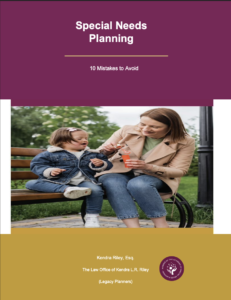
Free Download
10 Costly Mistakes to Avoid When Planning for a Loved One with Special Needs
Quick Questions About Special Needs Planning:
- Won’t leaving money to my loved one disqualify them from government benefits? It can — if left directly to them. SSI and Medicaid have strict asset limits. A properly drafted Special Needs Trust holds those funds separately, so they can be used to supplement your loved one’s quality of life without counting against their eligibility .
- What’s the difference between a third-party and a first-party Special Needs Trust? A third-party trust is funded with someone else’s money — typically a parent’s or grandparent’s — and has no Medicaid payback requirement when the beneficiary passes. A first-party (or self-settled) trust holds the beneficiary’s own funds, such as a personal injury settlement or a direct inheritance, and does require Medicaid reimbursement at death. We’ll explain which applies to your situation.
- What is an ABLE account, and how does it fit in? ABLE accounts allow individuals with disabilities (with onset before age 26) to save up to annual limits without affecting SSI or Medicaid eligibility. They’re flexible and accessible for everyday expenses. They work well alongside a Special Needs Trust — the trust for larger assets and long-term management, the ABLE account for day-to-day needs.
- Does my family member need a guardian? Not necessarily. In both Maryland and DC, supported decision-making agreements and limited guardianship are recognized alternatives to full guardianship that preserve far more of your loved one’s independence and legal rights. We’ll walk through the options together.
- What happens to the trust assets when my loved one passes away? It depends on the trust type. Third-party special needs trusts can distribute remaining assets to other named beneficiaries — siblings, charities, or other family members — with no government reimbursement required. First-party trusts may require Medicaid to be repaid from remaining funds before anything passes to others.
- Can I add special needs provisions to my existing will or trust? Yes — and you should, if you haven’t already. We review existing estate plans and add or update special needs provisions to make sure no direct bequest inadvertently disrupts your loved one’s benefits. This is one of the most common corrections we make.
- Does it matter whether we’re in Maryland or DC? Yes — the rules around guardianship, supported decision-making, Medicaid, and trust administration differ between Maryland and DC. We practice in both jurisdictions and will tailor your plan to the appropriate state’s requirements.